Case Study — Insurance / Web Application
BASIC GateKeeper
Reimagining Insurance and COBRA Management
Redesigned a command-prompt insurance and COBRA management system into a modern web application under a tight deadline after a national competitor acquisition.
Role
Lead UX Designer
Company
TAP Developers
Platform
Web Application
The Challenge
BASIC had a critical business application problem: its employee insurance and COBRA benefits system was still running as a command-prompt application—functional and deeply embedded in the organization, but increasingly difficult for modern users to navigate, maintain, and evolve. Although BASIC had an internal software development team, the organization needed an experienced UX team to step back and understand the workflows before simply rebuilding the existing system.
My team conducted workflow research, identified usability and operational requirements, and translated those findings into a comprehensive set of solution requirements, user experiences, and a working proof of concept. The resulting design gave executive leadership a clear vision for Gatekeeper's future and the confidence to move forward with a modern, web-based application.
Process & Approach
Legacy System Immersion
Learned the existing command-prompt system through interviews and teleconferences.
Requirements Gathering
Gathered business requirements from stakeholders across the acquiring organization and BASIC's existing team.
Workflow Translation
Translated command-prompt workflows into a web-based interaction model.
Design & Delivery Under Deadline
Delivered the complete design under the tight post-acquisition timeline.
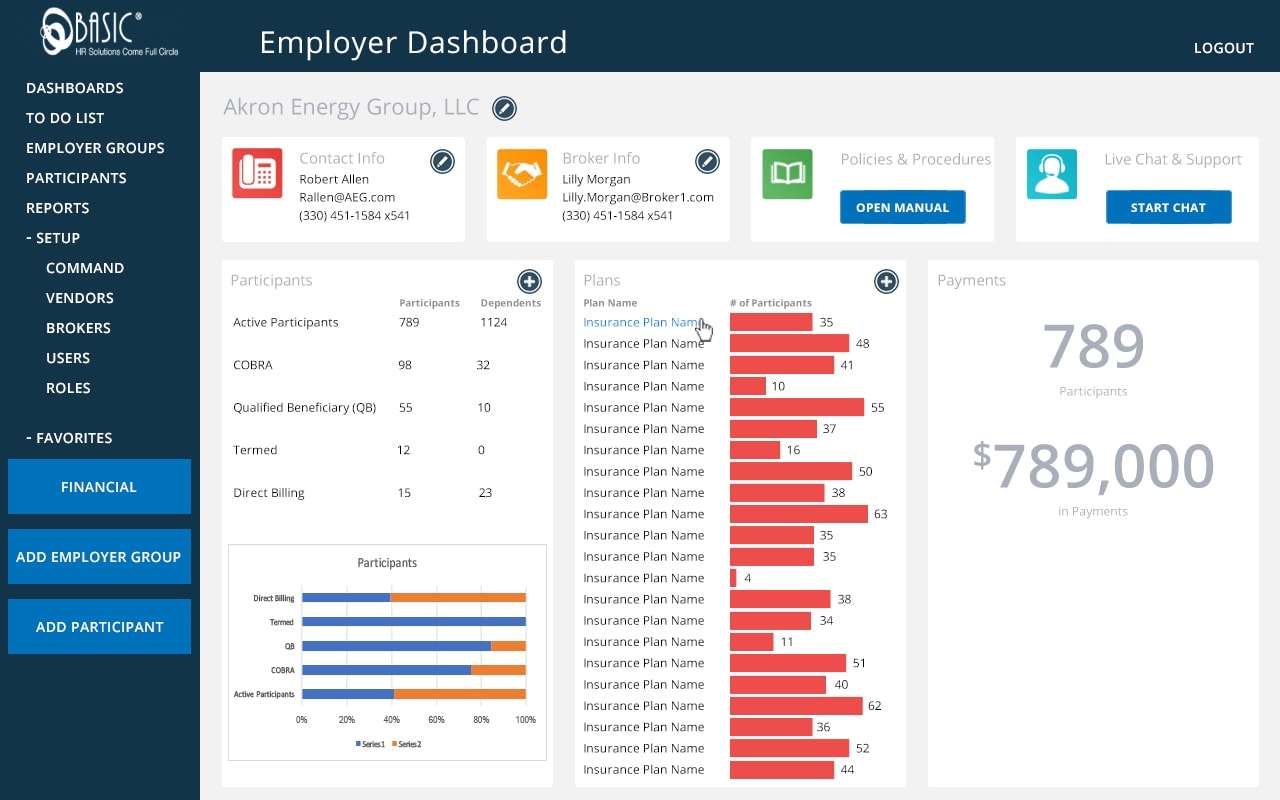
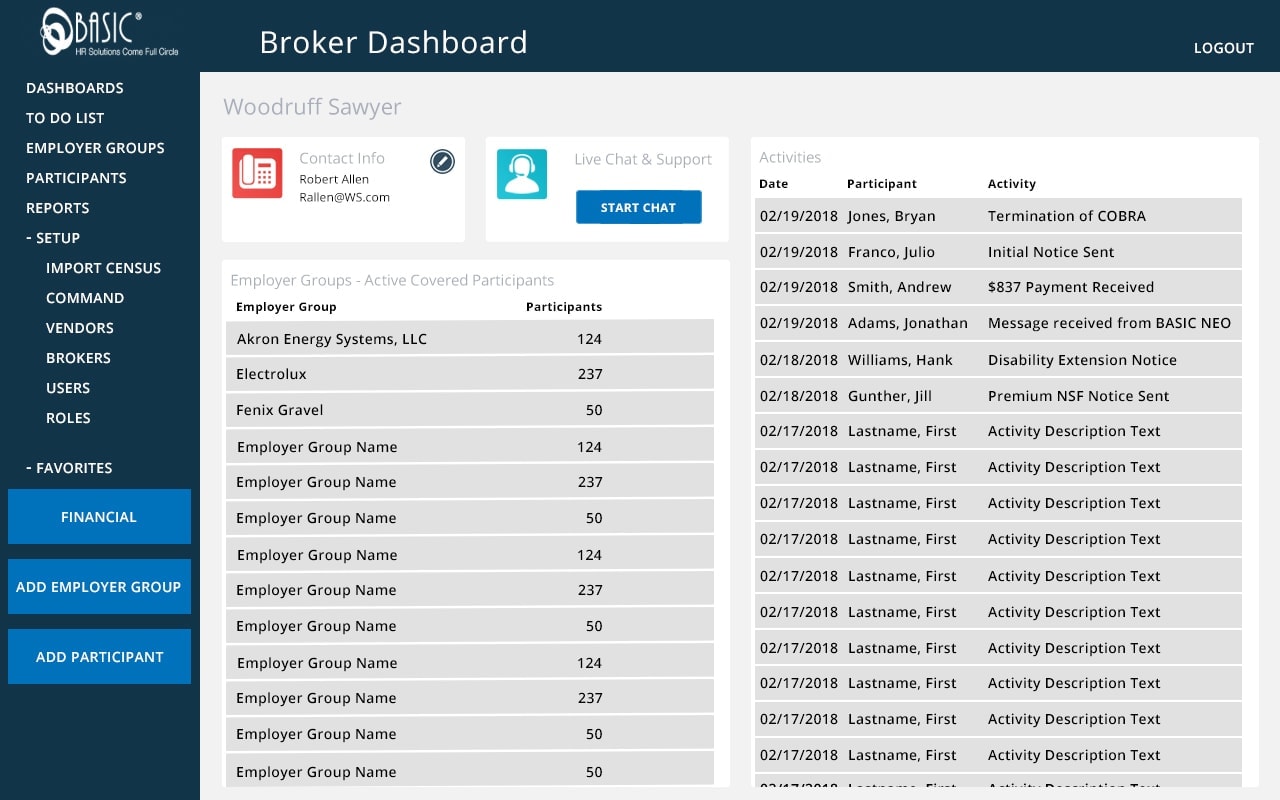
Application Screens
The Redesigned Experience
Outcomes & Impact
On time
Delivered within the post-acquisition deadline
0
Retraining required — familiar workflow preserved in new interface
Modern
Command-prompt process transformed into a contemporary web application
The redesigned experience transformed an existing command-prompt process into a contemporary web-based system.
Gatekeeper became a successful example of how UX strategy can bridge the gap between legacy technology, complex business processes, and modern user expectations. After securing executive approval for the proposed solution, I led the implementation effort by placing developers from my company on-site at BASIC, where they performed the majority of application development and quality assurance testing in close collaboration with the client’s team. From researching the existing workflows and defining requirements through design, prototyping, development, and QA, I helped guide the transformation of a decades-old command-prompt system into a modern web-based platform—demonstrating that successful enterprise modernization starts with understanding the work, not simply rewriting the software.