Case Study — Education / Hardware / UX
Blackboard U-Pass Kiosk
Reducing a Ten-Step Student Process to One
Reduced a 10-step student card-loading process to one — combining software, hardware integration, and physical product design into a repeatable model deployed at multiple universities.
Role
Lead UX Designer
Company
TAP Developers
Platform
Kiosk · Web · Hardware
The Challenge
When Blackboard approached us about the U-Pass program initially launching at the University of Victoria (UVic), the challenge was much bigger than creating a better interface. The existing solution was a homegrown application running on a single university laptop, paired with a card reader. At the same time, staff manually verified and tracked each student transaction through a process of more than ten steps. The card reader itself was a persistent source of problems, compounded by the challenge of integrating it with a proprietary device manufactured in Italy, which had extremely limited technical documentation and support.
Our team had to understand the university's operational workflow, work within Blackboard's product and deployment strategy, and address the reader's technical limitations while creating an experience that could eventually be deployed and branded by universities around the world. With the goal of true kiosk simplicity, I worked closely with Blackboard, UVic faculty and students, and our development team to rethink the entire experience from the ground up.
Process & Approach
Process Mapping
Mapped the existing 10-step card-loading process — identifying every point of friction.
Kiosk Software Design
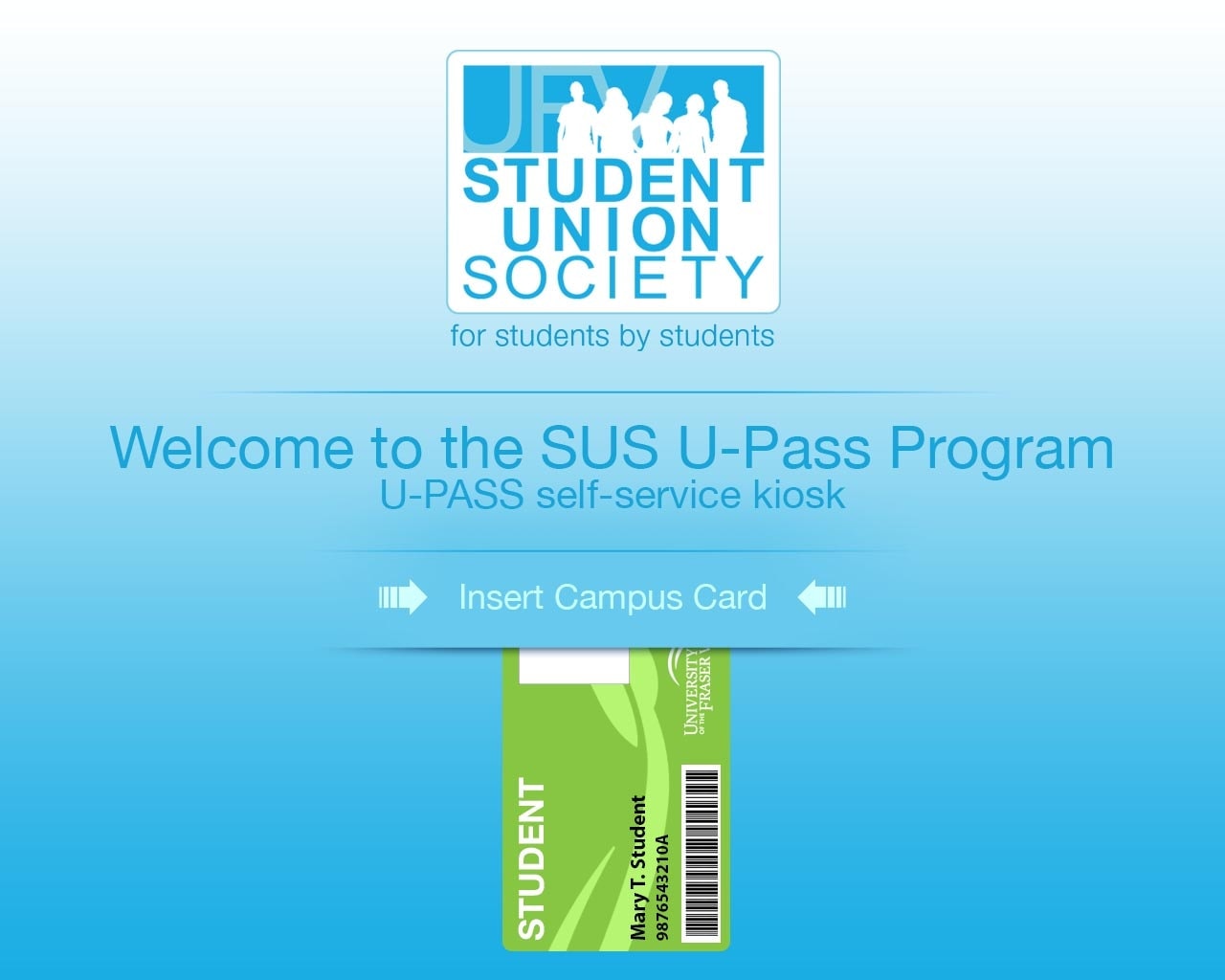
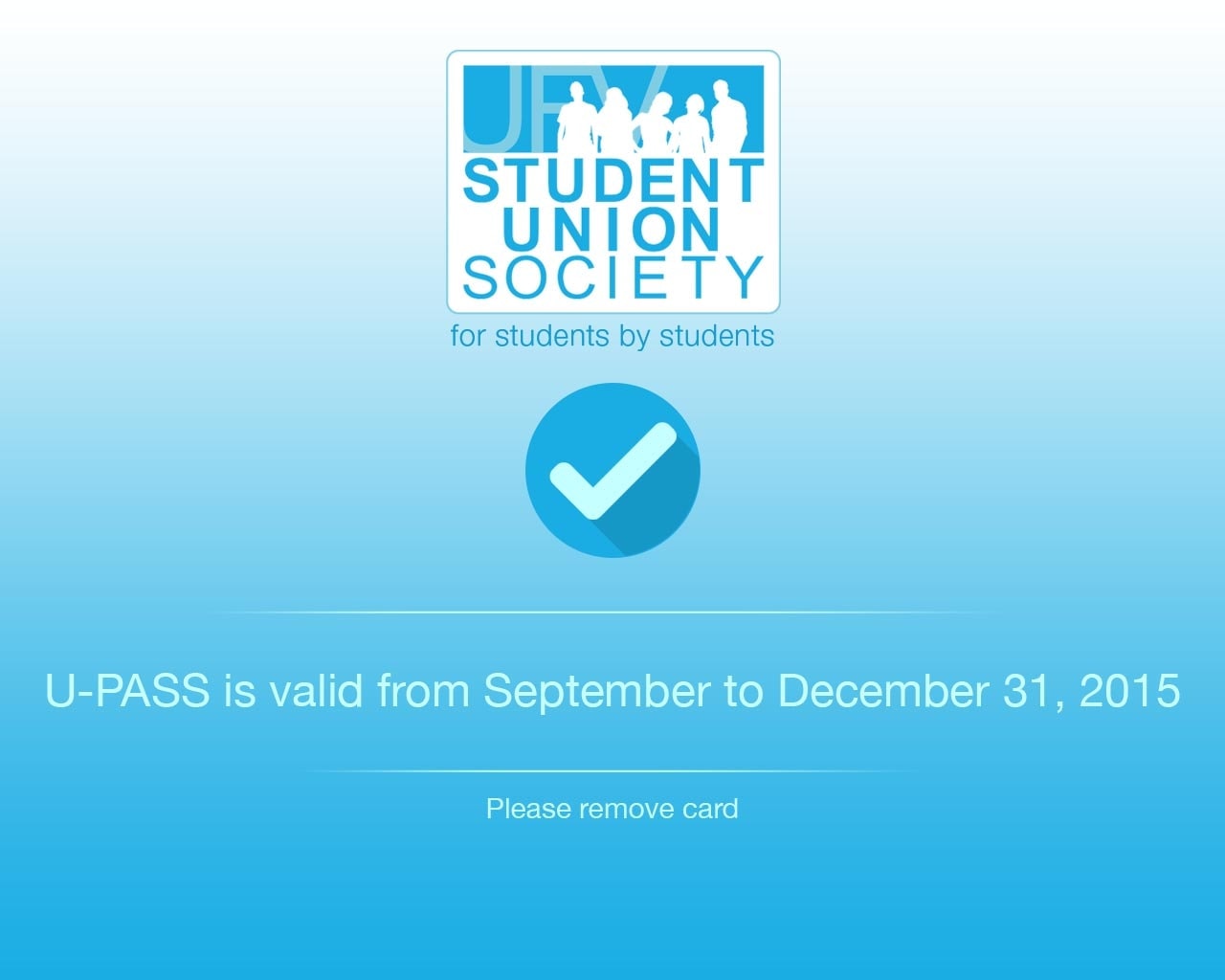
Designed the kiosk application to reduce the student experience to a single step.
Hardware Integration
Developed the code controlling the card reader — integrating software with physical hardware.
Physical Kiosk Design
Designed the physical kiosk itself — creating a deployable unit Blackboard could replicate across multiple universities.
Application Screens
The Designed Experience
Outcomes & Impact
1 step
Student card-loading process, down from nearly 10
Multiple
Universities where Blackboard deployed the repeatable model
3-in-1
Software, hardware integration, and physical product design combined
The result reduced a complicated, largely manual ten-step process to one simple action: insert the card and follow the on-screen instructions to remove it. Behind that deceptively simple experience lay a complete system that automatically validated, verified, and recorded every transaction, along with a newly developed C++ interface that enabled the application to communicate reliably with the Italian card reader. We designed a single adaptive interface that presented only the information students needed at each moment, making the kiosk virtually self-explanatory while keeping the underlying technology invisible. Our project manager's supply chain expertise was instrumental in securing the necessary readers and cards, and ultimately the C++ source code, which enabled our developers to solve the integration challenge.
Most importantly, the solution became more than a successful UVic deployment—it established a simple, rebrandable, scalable U-Pass platform that Blackboard could take to other universities. In kiosk design, “easy to use” means eliminating the need to think, and this project proved that the best interface can sometimes be the one that almost disappears.