Case Study — Education / Enterprise Software
Slate Temp Management
Simplifying Substitute Teacher Scheduling at a National Scale
Designed a modern substitute teacher scheduling system — built from user research — that launched in 18 months including deployment with the state's largest school system.
Role
Lead UX Designer & Researcher
Company
TAP Developers
Platform
Web · Mobile
The Challenge
Staffing public schools is a uniquely complex scheduling problem where the rules can change by the minute. A national education staffing agency approached me to create a new platform for managing schedules, absences, and substitute staffing in a market dominated by a legacy solution dating back to the mid-1990s—an application that had accumulated years of functionality without evolving into a modern, usable experience. The reality behind the software was even more complicated: staff needed to manage planned absences, long-term assignments, professional development, and sick calls that could arrive less than an hour before a school opened, while simultaneously matching substitutes with the right skills, availability, location, and willingness to work in particular schools or classrooms.
Against this backdrop, the CEO established an aggressive 18-month deadline to have a new solution operating in two schools for beta testing. The only way to succeed was to immerse ourselves in the business, understand how work actually happened—not how it was documented—and design a solution around the people navigating that complexity every day.
Application Screens
The Designed Experience
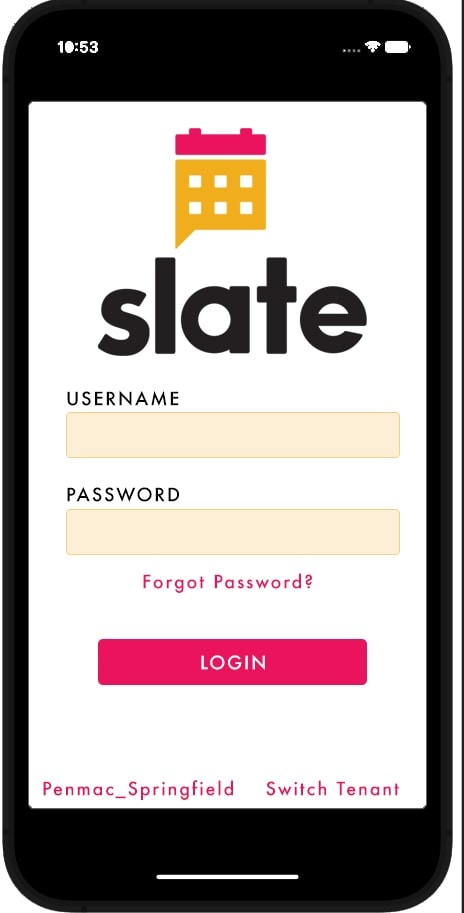
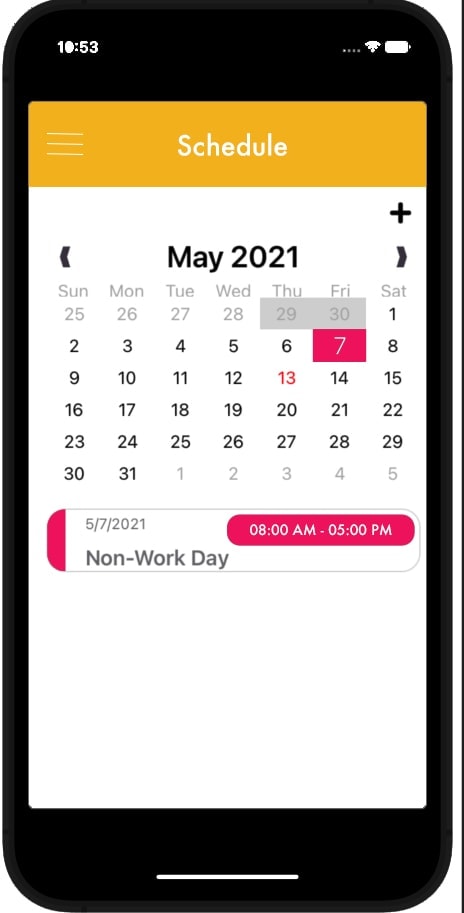
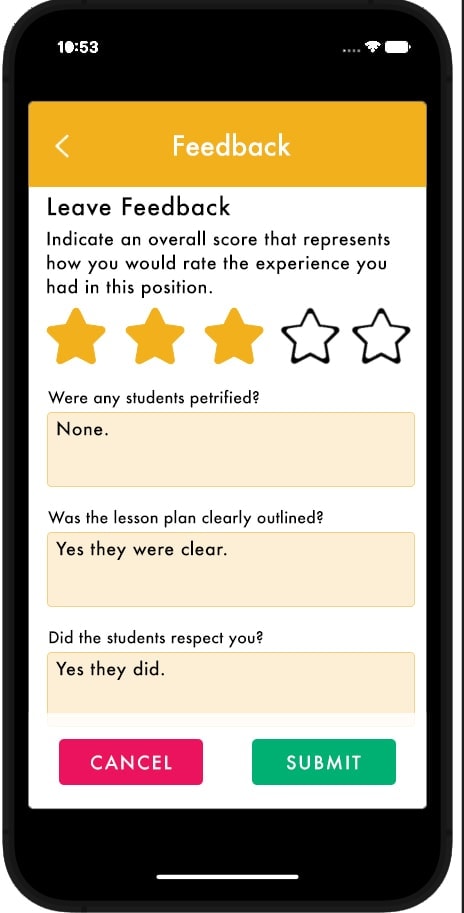
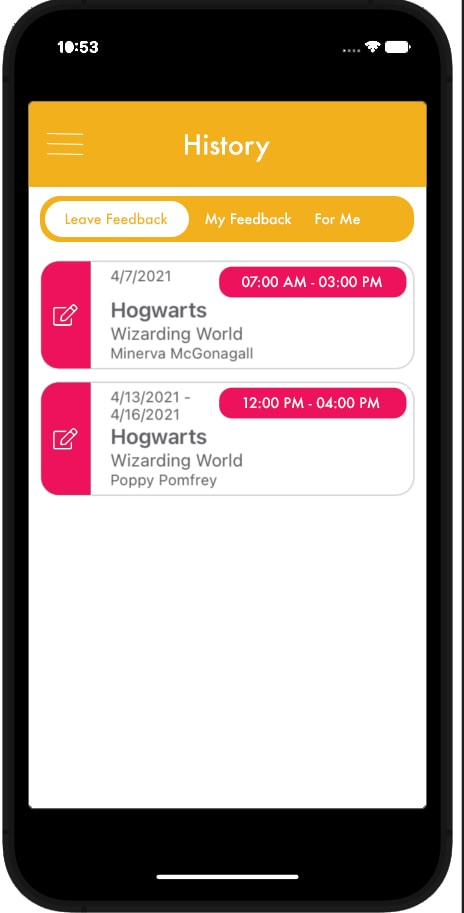
Process & Approach
User Research & Observation
Studied the workflow, conducted user interviews, and observed the process from the perspective of an employee actually performing the work.
Administrative Web Application
Designed an entirely new administrative web application serving both schools and the staffing agency.
Substitute Teacher Mobile App
Designed a streamlined mobile application focused on the few functions substitute teachers actually needed.
Rapid Development & Deployment
Delivered the complete system in 18 months including deployment with the state's largest school system.
Outcomes & Impact
18 mo
From kickoff to full deployment — vs. years for the competing system
Largest
State school system included in initial deployment
Hours
Of daily staff effort eliminated covering last-minute absences
We spent days embedded in the staffing operation, mapping workflows and understanding the collection of systems, spreadsheets, notebooks, Post-it notes, and countless text messages that employees had assembled to compensate for gaps in their existing technology. From that research, we designed and delivered a comprehensive web and mobile platform for iOS and Android, successfully launching the product into beta within the CEO's 18-month deadline. The journey required navigating staff turnover, demanding stakeholder schedules, board-level conversations, and the development team's competing workload—but the result extended well beyond delivering software.
I worked directly with executives and board members to communicate the product's value and to help shape its name, visual identity, marketing strategy, and sales approach. Slate transformed a chaotic, legacy-dependent staffing process into the foundation of a modern, scalable platform—proving that with deep discovery, persistent collaboration, and disciplined execution, even an exceptionally complex operational problem can become a product capable of serving an entire industry.