Case Study — Healthcare / Analytics
STATalert
Identifying the Real Problem Behind a Simple Mobile App Idea
Reframed a minor convenience request into a radiology analytics and workflow tool — allowing physicians to monitor results in real time and reduce patient discharge delays.
Role
Lead UX Designer & Strategist
Company
TAP Developers
Platform
Mobile · Web Analytics
The Challenge
STATalert began with what seemed like a simple problem: a senior radiologist approached me about creating a mobile application to keep magazines in doctors' waiting rooms up to date. Rather than dismissing the idea, we asked a more important question: what problem in radiology affects patients, physicians, and hospitals every day? That question uncovered a far more consequential opportunity. Radiology results were often delayed in reaching the physicians who needed them, not because the technology didn't exist, but because healthcare professionals were already overwhelmed by disconnected systems, multiple logins, competing demands, and an environment where every minute matters.
The consequences extended far beyond inconvenience. Physicians could be waiting for imaging results before making critical decisions, including whether a patient can be discharged, thereby keeping valuable hospital beds occupied longer and contributing to unnecessary costs and patient frustration. We shifted the conversation from improving a waiting-room experience to solving a real clinical workflow problem—and STATalert was born.
Process & Approach
Problem Reframing
Rather than accepting the stated request at face value, asked a deeper question about what problem had the greatest impact on patients and staff.
Clinical Workflow Research
Researched the radiology results workflow — how results were generated, how physicians were notified, and where delays occurred.
Real-Time Monitoring Design
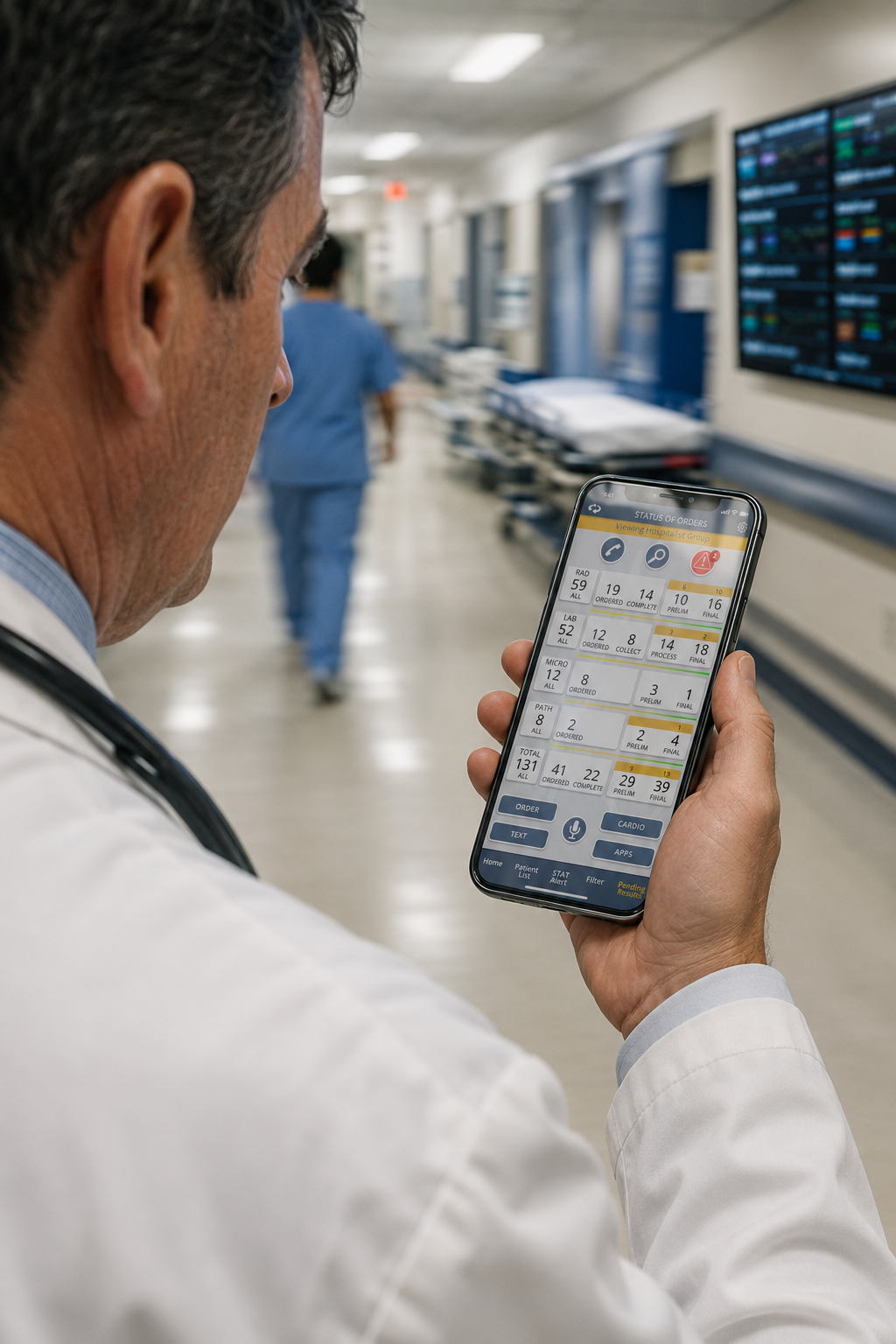
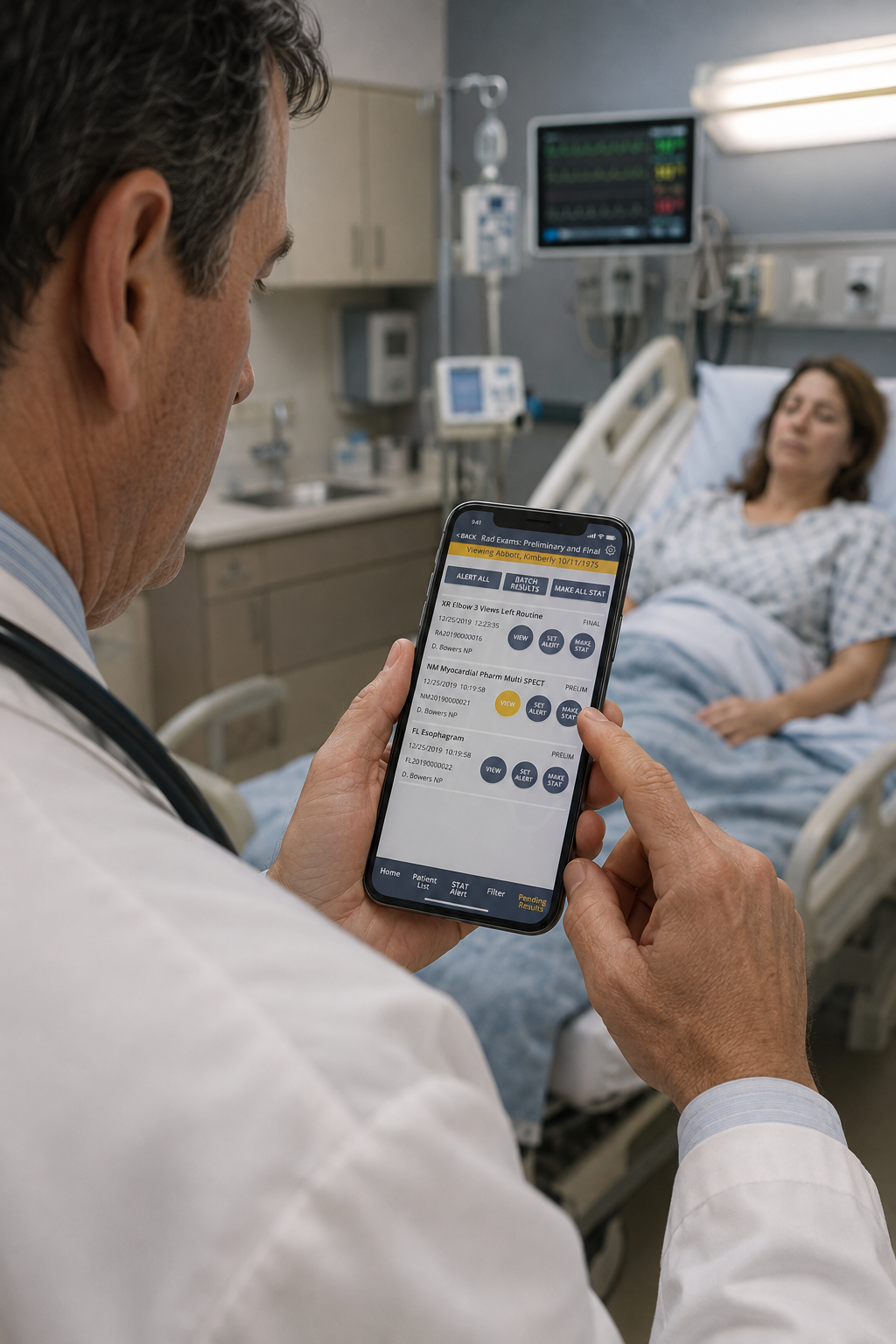
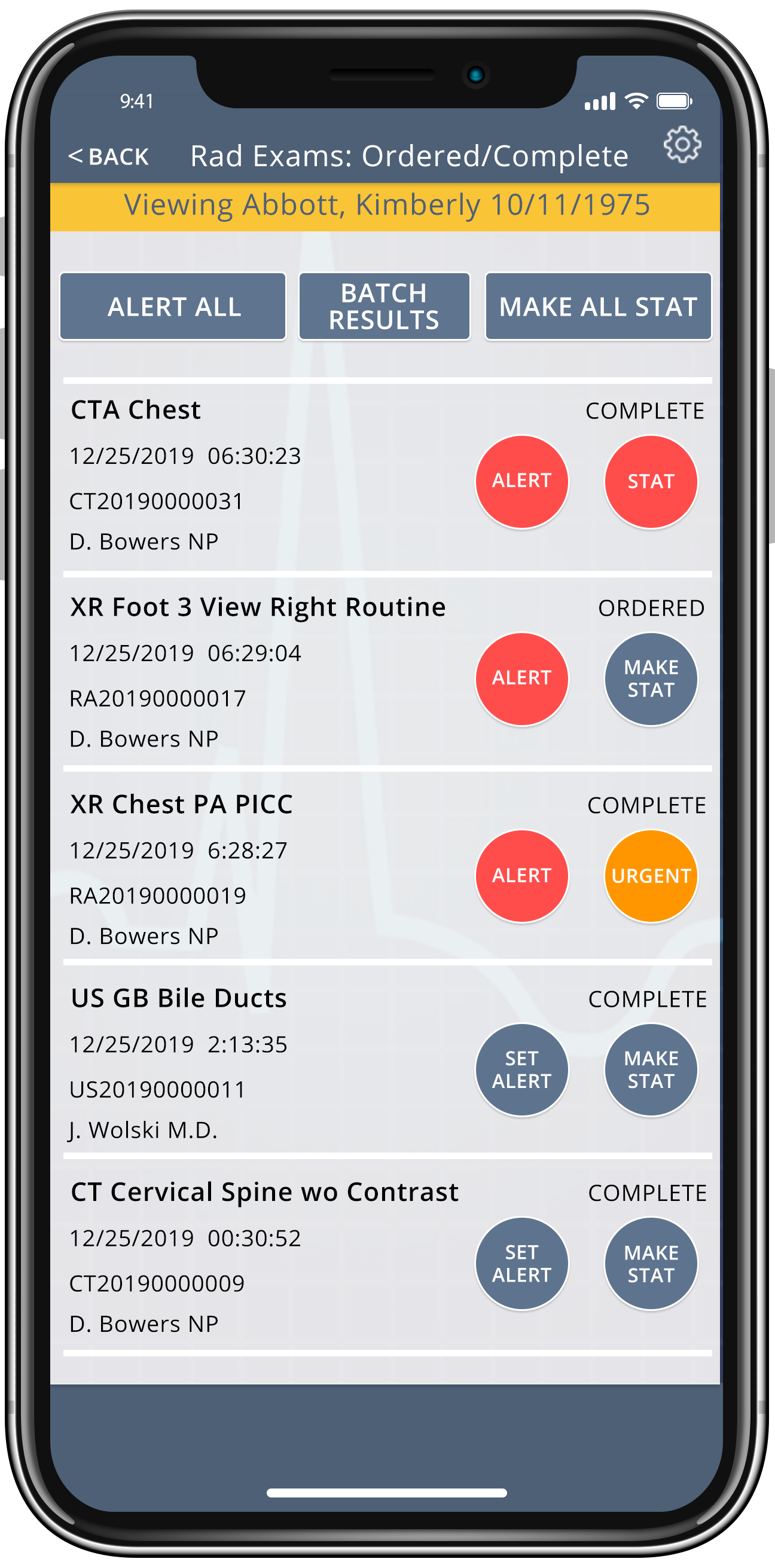
Designed an analytics and workflow tool that allowed physicians to monitor radiology results in real time.
Patient Care Impact
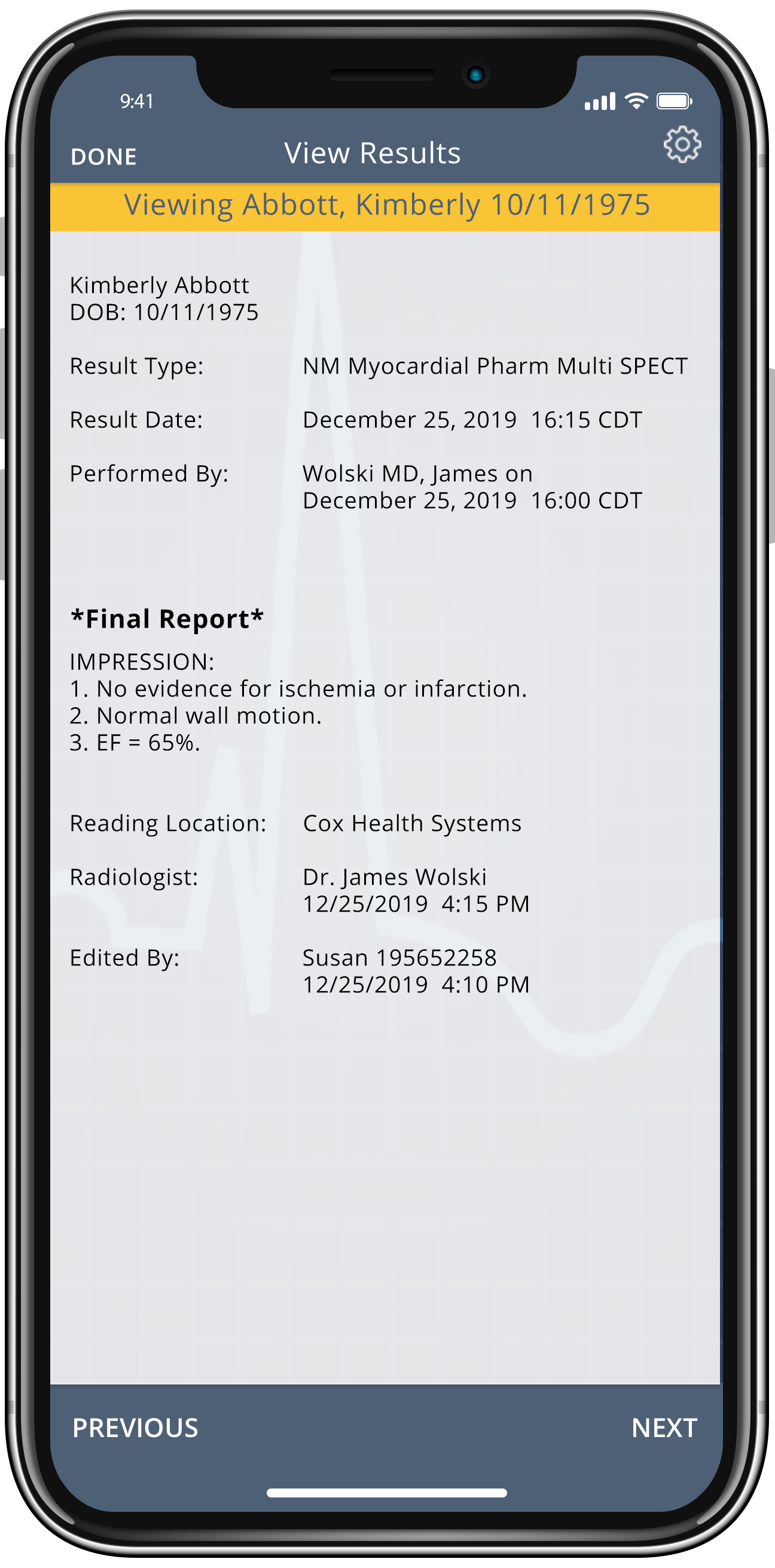
Designed the experience around the clinical outcome: faster access to results enabling faster discharge decisions.
Application Screens
The Designed Experience
Outcomes & Impact
Real-time
Radiology result monitoring for physicians
Faster
Discharge decisions enabled by immediate result access
1 question
That transformed a minor request into a significant patient-care solution
STATalert transformed that insight into a focused mobile communication solution designed to deliver critical radiology results to the providers who needed them—quickly, securely, and without adding another cumbersome system to an already overloaded workflow. By reducing the friction between radiologists and physicians, the concept addressed a problem with implications far beyond technology: faster clinical decisions, shorter patient stays, better utilization of hospital resources, and a better experience for both patients and providers.
The greatest success of STATalert wasn't the application itself; it was the discovery process that turned an ordinary product request into a meaningful healthcare innovation. Instead of simply building what the client initially asked for, we challenged the problem, listened to the expertise of the people living with it every day, and uncovered an opportunity where better UX could directly contribute to better healthcare outcomes.